These records are found in the online catalog of The Mariners’ Museum and Park in Newport News, Virginia. Uncurated search results are presented to give researchers and interested readers an idea of whether the museum’s archives contain information about this vessel and whether it may be worthwhile to visit the museum’s catalog search page for further investigation. Uncurated results may be inaccurate or incomplete.
Mariners Museum online catalog search, July 12, 2026. Search phrase: "Alma". Catalog returned 41 records; this selection table includes 41 records fetched through catalog result pages.
Use these buttons to send uncurated search results to your own app or text document for further research. First, check the box for any row, or click "Select All" then uncheck any rows. Then click "Show Selections". You can then copy your selections from the text box and past them into your app.
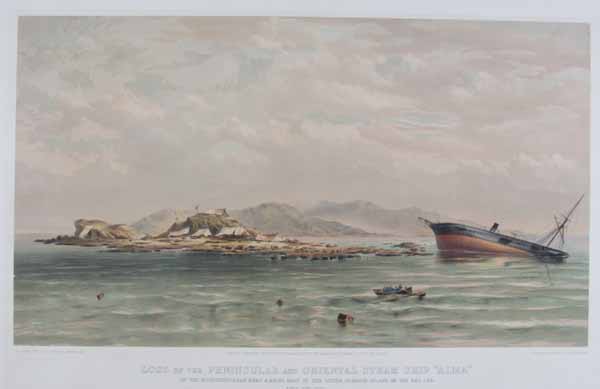
Owners: Peninsular and Oriental Steamship Company Type of Incident: Went ashore on a reef Location of incident: Moosedgerah Incident Date: June 12, 1859 Casualties: None Source(s): Illustrated London News
ENGLAND, LONDON, GATE STREET; RELATED PLACE: RED SEA
ADDITIONAL INFORMATION: Parker & Bowen, "Mail and Passenger Steamships", p. 8-9. LABEL COPY: The Wreck of the ALMA/On June 12, 1859, soon after leaving Aden for Suez the Peninsular & Oriental Steam Navigation Co. steamer ALMA struck a reef. Passengers and crew contrived to get onto a part of the reef where tents of sorts were erected but they suffered from a lack of wate before the H.M.S. CYCLOPS and the steamer NEMESIS arrived three days later. The Lascar crew behaved badly, not helping with the rescue of the passengers and stealing their property.
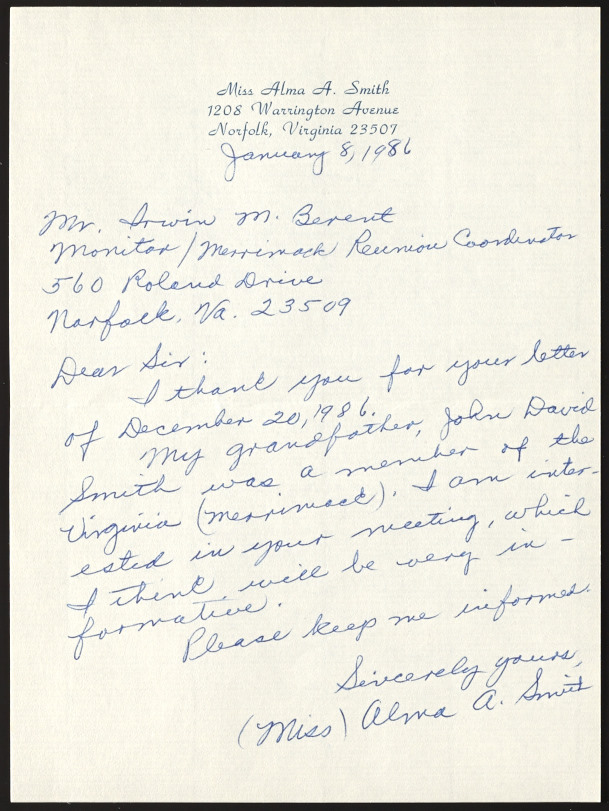
This one page letter to Berent from Alma Smith expresses her interest in the Descendants reunion. She is the descendant of John David Smith, of the Virginia. She asks Berent to keep her informed.
Lt. Edward C. Tosterson, CWS, ASN O-1535981, home, Nicollet, Minn., and Miss Alma Louise Clark, PTO, home, Richmond, Va., being married at the Hilton Methodist Church, Hilton, Va. Photo taken for press and publicity purposes.
Military weddings–Virginia–Newport News.; Army spouses–Virginia–Newport News.
Overall view of a wedding ceremony. The bride and groom are holding hands as they stand before their minister, the audience can be seen seated in the background.
E7116 - Wedding ceremony of Lt. Robert M. Chard and Virginia Mary Smith at Base Chapel, NAB. Mrs. Alma Cone is matron of honor and Lt. H. E. Merrell best man. 4-2-44 Official Photograph, U. S. Army Signal Corps, HRPE, Newport News, Va.
Military weddings–Virginia–Norfolk.
Shot from beside the officiant, shows the bride and groom kneeling before the officiant, and the best man and maid of honor standing behind them.
E7478 - Six army nurses being staged at Camp Patrick Henry are shown in front of female staging office. 4-22-44 Official Photograph, U. S. Army Signal Corps, HRPE, Newport News, Va.
Portraits, Group–Virginia–Newport News.
Five nurses are seated on a circular bench. a war correspondent kneels in front of them, speaking with them. The inscription on the back of this image is for 7478, which has the inscription for 7476. The correct inscription reads: "Kneeling, Michael Stern, Left to right, sitting, Lt. Alma Heinanen, Calument, Mich., Lt. Mary Fried, Phinelander, Wis, Lt. Helen White, Grand Rapids, Mich., Lt. Katherine McKindley, Sandwich, Ill, and Lt. Mary Jane Doyle, Tocoma, Wash., Michail Stern is the War Correspondent who wrote the story of Lt. Risa Jenkins, the last nurse to leave Bataan and is shown telling the army nurses of the great work their corps is doing. Photo taken at female staging area, CPH."
At the reception after the ceremony, the Tostersons cut their wedding cake. The bridal couple are: Lt. Edward C. Tosterson, CNS, ASN O-1535981, home, Nicollet, Minn., and Miss Alma Louise Clark, PTO, home, Richmond, Va. Photo taken for press and publicity purposes.
Wedding cakes–Virginia–Newport News.; Military weddings–Virginia–Newport News.; Army spouses–Virginia–Newport News.
Shows the wedding party at the reception. The bride and groom are holding hands as they cut the cake.
At head of title: Work Projects Administration of Louisiana. James H. Crutcher, state administrator. Division of Professional and Service Projects. Alma S. Hammond, state director. Survey of Federal Archives in Louisiana. A project sponsored by the Louisiana State University. Includes extra numbered leaves 4a and 7a. Reproduced from type-written copy.
RUE ST. HYACINTE - PARIS - FRANCE - Publisher; FORT-DE-FRANCE - MARTINIQUE - FRANCE - Related Place
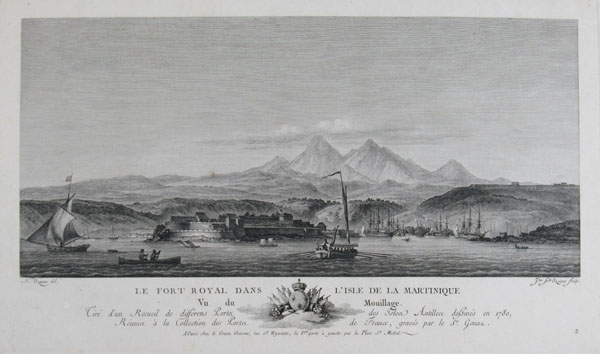
SHORT DESCRIPTION: Black and white engraving titled "Le Fort Royal Dans L'Isle de la Martinque, Vu du Mouillage" [Fort Royal in the island of Martinique, View of the anchorage]. Drawn by Nicolas Ozanne and engraved by Jeanne Ozanne. Plate 2 from a series titled "Recueil des différens ports des isles Antilles" published by Yves-Marie Le Gouaz in Paris about 1780. The image shows Fort Royal (now Fort-de-France) from the water. Fort Saint Louis is at the center left with the Baie du Carenage to the center right. Several small rowing and sailing craft are in the foreground, one of which looks like a dugout canoe. The tall conical peaks of Les Pitons du Carbet (Lacroix, Piquet, Dumauze, Alma and Boucher) are in the background.
E-11017 - Congratulations in order, outside of HRPE Chapel after wedding ceremony of Cpl. Rita Maurin, A-704613, home, St. Paul, Minn., and Sgt. Joseph Raphum, 3305520, home, Philadelphia, Pa. Photo taken at HRPE, Newport News, Va. 11-28-44 Official Photograph, U. S. Army Signal Corps, HRPE, Newport News, Va.
Military weddings–Virginia–Newport News.
A group of people, mostly WACs in uniform, stands in front of the HRPE Chapel. One WAC, the bride at center, wears a large oechid and ribbon corsage.
NOTES: Sketchbook No. 36 of pencil drawings created by Antonio Jacobsen from 1878 to 1918 for his artworks. VESSELS LISTED IN SKETCHBOOK NO. 36, DATED 1891-1892 G.M. WINSLOW (Screw Tug) (Vessel Built 1891) ALMA (Bark) (Vessel Built 1871 CONEMAUGH (Screw Steamship) (Service Dates 1882-1904) KENIWORTH (Bark) (Vessel Built 1866) GLANYSTWYTH (Screw Steamship) (Vessel Built 1888) FIORILLO (Bark) (Vessel Built 1866) TONSBERG (Screw Steamship) Wheel) (Service Dates 1889-1894) WILLIAM FLETCHER (Paddle Wheel Steamship) (Service Dates 1864-1911)v ORONSAY (Screw Steamship) (Vessel Built 1887) ARGONAUT (Screw Steamship) (Vessel Built 1872) JASON (Screw Steamship) (Vessel Built 1866) PANAMA (Screw Steamship) (Vessel Built 1875) MARY ANN (Screw Tug) (Vessel Built 1876) THOMAS J. SCULLY (Screw Tug) Vessel Built 1873) EDITH SHERATON (Barkentine) THOMAS J. SCULLY (Screw Tug) (Vessel Built 1887) AXEL JOHNSON (Screw Steamship) (Vessel Built 1891) ORIZABA (Screw Steamship) (Vessel Built 1890) YUMURI (Screw Steamship) (Vessel Built 1890) HOLQUIN (Screw Steamship) (Vessel Built 1891) WILLIAM ANNING (Screw Steamship) (Vessel Built 1891) CIDADE De S. PAULO (Screw Steamship) MANNIE SWAN (Barkentine) (Vessel Built 1891) WILLIAM H. SWAN (Schooner,3) (Vessel Built 1890) WILLIAM E. CHAPMAN (Screw Tug) (Vessel Built 1889) ALTON S. MARSHALL (Schooner,2) Service Dates 1891-1894) C.L. MARSHALL (Schooner,2) (Vessel Built 1874) RIVER BELLE (Steam Paddle Wheel) (Service Dates 1846-1894) H.S. NICHOLS (Screw Tug) (Vessel Built 1888) MANHANSET (Screw Steamship) (Vessel Built 1891) ROSNEATH (Screw Steamship) (Vessel Built 1890) LaCHAMPAGNE (Screw Steamship) (Service Dates 1886-1915) GLIMT (Bark) (Vessel Built 1879) MASCOTTA (Bark) (Service Dates 1885-1930) BELAIR (Screw Steamship) (Vessel Built 1879) VALE (Screw Steamship) (Vessel Built 1891) JAMES A. GARFIELD (Screw Tug) (Vessel Built 1881) P.H.WISE (Screw Tug) (Vessel Built 1892) NICARAGUA (Screw Steamship) (Service Dates 1891-c1917) PHILADELPHIA (Screw Steamship) ST. MUNGO (Bark) (Vessel Built 1892) LUARCA (Barkentine) (Vessel Built 1891) E.S. ATWOOD (Screw Tug) (Vessel Built 1890) FRED B. DALZELL (Screw Tug) (Vessel Built 1882) MARCIA (Screw Steamship) (Vessel Built 1874) NYN H & H R.R.
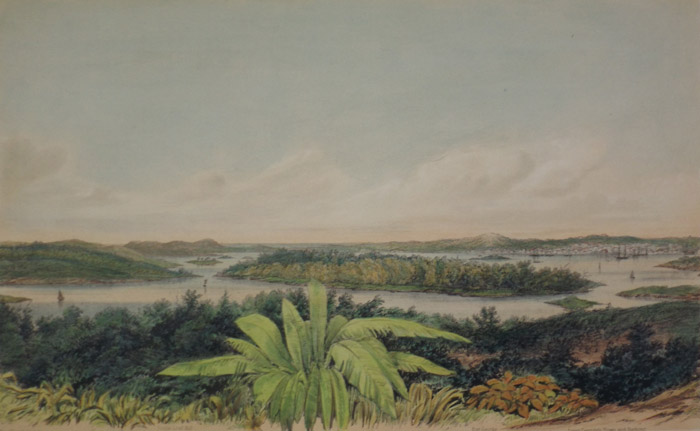
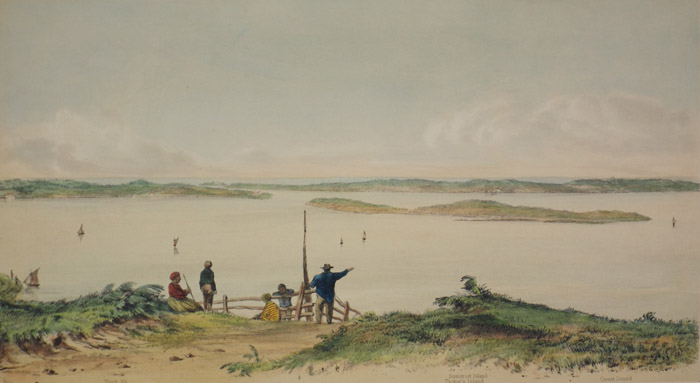
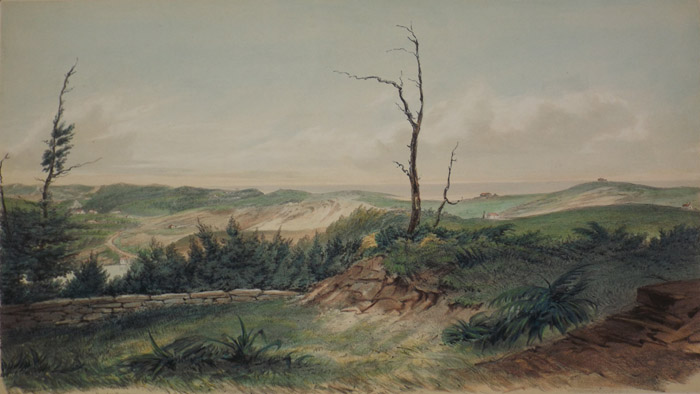
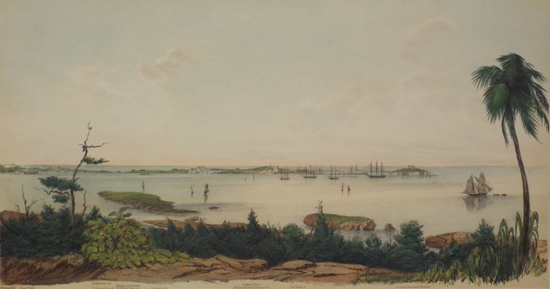
NOTES: British. Edmund Gilling Hallewell (1820-1869) first appeared in British military records when he was commissioned in 1839 as an ensign with 20th Regiment of Foot and he died at Sandhurst, England. He rose through the ranks retiring on half-pay as a colonel in 1860 when he was appointed the commandant of the Royal Military College at Sandhurst in 1864. His tours of duty took him to Bermuda (1848) as a major, the Canada, England, the Crimea and Malta. During the Crimean War, he served with distinction at Alma, Inkerman and Sebastopol, was created a Knight of the Legion of Honour and rose to the rank of Deputy Quartermaster General. Hallewell's Canadian service began at Halifax then at Quebec in 1847, he was next posted in Kingston, London and Montreal before leaving the Canadas in 1850. His residence in London, Upper Canada was from May to September 1849. As a painter, Hallewell is known for his landscapes and marines in oil and watercolour and it is probable that he trained in landscape topography as part of his early military training.. Little information is available on his early life outside his British army service. Colonel Edmund Gilling Hallewell's fine set of panoramic lithographs of Bermuda are much admired. A fine photograph of him, taken during the Crimean War by well-known Victorian photographer Roger Fenton, is now in Bermuda. When Hallewell was in Bermuda, he was a Lieutenant in the British Army, Adjutant of the XXth Regiment of Royal Engineers stationed at Bermuda with the British garrison. Later - in the 1850s - he was a Colonel in the 20th or East Devons garrisoning Bermuda. Prior to his arrival in Bermuda, he was trained as a topographical artist, which ensured that his views of Bermuda were a very accurate record of the placement of land masses. Yet he also managed to arrange his foreground elements in a manner that was picturesque and much in fashion at the time. He sketched in charcoal the Island's many scenes of extraordinary beauty with an incredibly detailed and disciplined hand, including views of the Great Sound from the Gibbs Hill Lighthouse area, four more views of the Sound from Spanish Point and three of St. George's from St. David's Lighthouse. He called the 13-scene set "Views of the Bermudas." Otherwise known as his "Panoramic Sketches of Bermuda," they were reproduced in a series of lithographs in 1848.
NOTES: British. Edmund Gilling Hallewell (1820-1869) first appeared in British military records when he was commissioned in 1839 as an ensign with 20th Regiment of Foot and he died at Sandhurst, England. He rose through the ranks retiring on half-pay as a colonel in 1860 when he was appointed the commandant of the Royal Military College at Sandhurst in 1864. His tours of duty took him to Bermuda (1848) as a major, the Canada, England, the Crimea and Malta. During the Crimean War, he served with distinction at Alma, Inkerman and Sebastopol, was created a Knight of the Legion of Honour and rose to the rank of Deputy Quartermaster General. Hallewell's Canadian service began at Halifax then at Quebec in 1847, he was next posted in Kingston, London and Montreal before leaving the Canadas in 1850. His residence in London, Upper Canada was from May to September 1849. As a painter, Hallewell is known for his landscapes and marines in oil and watercolour and it is probable that he trained in landscape topography as part of his early military training.. Little information is available on his early life outside his British army service. Colonel Edmund Gilling Hallewell's fine set of panoramic lithographs of Bermuda are much admired. A fine photograph of him, taken during the Crimean War by well-known Victorian photographer Roger Fenton, is now in Bermuda. When Hallewell was in Bermuda, he was a Lieutenant in the British Army, Adjutant of the XXth Regiment of Royal Engineers stationed at Bermuda with the British garrison. Later - in the 1850s - he was a Colonel in the 20th or East Devons garrisoning Bermuda. Prior to his arrival in Bermuda, he was trained as a topographical artist, which ensured that his views of Bermuda were a very accurate record of the placement of land masses. Yet he also managed to arrange his foreground elements in a manner that was picturesque and much in fashion at the time. He sketched in charcoal the Island's many scenes of extraordinary beauty with an incredibly detailed and disciplined hand, including views of the Great Sound from the Gibbs Hill Lighthouse area, four more views of the Sound from Spanish Point and three of St. George's from St. David's Lighthouse. He called the 13-scene set "Views of the Bermudas." Otherwise known as his "Panoramic Sketches of Bermuda," they were reproduced in a series of lithographs in 1848.
NOTES: British. Edmund Gilling Hallewell (1820-1869) first appeared in British military records when he was commissioned in 1839 as an ensign with 20th Regiment of Foot and he died at Sandhurst, England. He rose through the ranks retiring on half-pay as a colonel in 1860 when he was appointed the commandant of the Royal Military College at Sandhurst in 1864. His tours of duty took him to Bermuda (1848) as a major, the Canada, England, the Crimea and Malta. During the Crimean War, he served with distinction at Alma, Inkerman and Sebastopol, was created a Knight of the Legion of Honour and rose to the rank of Deputy Quartermaster General. Hallewell's Canadian service began at Halifax then at Quebec in 1847, he was next posted in Kingston, London and Montreal before leaving the Canadas in 1850. His residence in London, Upper Canada was from May to September 1849. As a painter, Hallewell is known for his landscapes and marines in oil and watercolour and it is probable that he trained in landscape topography as part of his early military training.. Little information is available on his early life outside his British army service. Colonel Edmund Gilling Hallewell's fine set of panoramic lithographs of Bermuda are much admired. A fine photograph of him, taken during the Crimean War by well-known Victorian photographer Roger Fenton, is now in Bermuda. When Hallewell was in Bermuda, he was a Lieutenant in the British Army, Adjutant of the XXth Regiment of Royal Engineers stationed at Bermuda with the British garrison. Later - in the 1850s - he was a Colonel in the 20th or East Devons garrisoning Bermuda. Prior to his arrival in Bermuda, he was trained as a topographical artist, which ensured that his views of Bermuda were a very accurate record of the placement of land masses. Yet he also managed to arrange his foreground elements in a manner that was picturesque and much in fashion at the time. He sketched in charcoal the Island's many scenes of extraordinary beauty with an incredibly detailed and disciplined hand, including views of the Great Sound from the Gibbs Hill Lighthouse area, four more views of the Sound from Spanish Point and three of St. George's from St. David's Lighthouse. He called the 13-scene set "Views of the Bermudas." Otherwise known as his "Panoramic Sketches of Bermuda," they were reproduced in a series of lithographs in 1848.
NOTES: British. Edmund Gilling Hallewell (1820-1869) first appeared in British military records when he was commissioned in 1839 as an ensign with 20th Regiment of Foot and he died at Sandhurst, England. He rose through the ranks retiring on half-pay as a colonel in 1860 when he was appointed the commandant of the Royal Military College at Sandhurst in 1864. His tours of duty took him to Bermuda (1848) as a major, the Canada, England, the Crimea and Malta. During the Crimean War, he served with distinction at Alma, Inkerman and Sebastopol, was created a Knight of the Legion of Honour and rose to the rank of Deputy Quartermaster General. Hallewell's Canadian service began at Halifax then at Quebec in 1847, he was next posted in Kingston, London and Montreal before leaving the Canadas in 1850. His residence in London, Upper Canada was from May to September 1849. As a painter, Hallewell is known for his landscapes and marines in oil and watercolour and it is probable that he trained in landscape topography as part of his early military training.. Little information is available on his early life outside his British army service. Colonel Edmund Gilling Hallewell's fine set of panoramic lithographs of Bermuda are much admired. A fine photograph of him, taken during the Crimean War by well-known Victorian photographer Roger Fenton, is now in Bermuda. When Hallewell was in Bermuda, he was a Lieutenant in the British Army, Adjutant of the XXth Regiment of Royal Engineers stationed at Bermuda with the British garrison. Later - in the 1850s - he was a Colonel in the 20th or East Devons garrisoning Bermuda. Prior to his arrival in Bermuda, he was trained as a topographical artist, which ensured that his views of Bermuda were a very accurate record of the placement of land masses. Yet he also managed to arrange his foreground elements in a manner that was picturesque and much in fashion at the time. He sketched in charcoal the Island's many scenes of extraordinary beauty with an incredibly detailed and disciplined hand, including views of the Great Sound from the Gibbs Hill Lighthouse area, four more views of the Sound from Spanish Point and three of St. George's from St. David's Lighthouse. He called the 13-scene set "Views of the Bermudas." Otherwise known as his "Panoramic Sketches of Bermuda," they were reproduced in a series of lithographs in 1848.
E7478 - Kneeling, Michaiel Stern, Left to right, sitting, Lt. Alma Heinanen, Calument, Mich., Lt. Mary Fried, Phinelander, Wis, Lt. Helen White, Grand Rapids, Mich., Lt. Katherine McKindley, Sandwich, Ill, and Lt. Mary Jane Doyle, Tocoma, Wash., Michail Stern is the War Correspondent who wrote the story of Lt. Risa Jenkins, the last nurse to leave Bataan and is shown telling the army nurses of the great work their corps is doing. Photo taken at female staging area, CPH. 4-22-44 Official Photograph, U. S. Army Signal Corps, HRPE, Newport News, Va.
Portraits, Group–Virginia–Newport News.
Six nurses stand in two rows on a raised wooden walkway near a barracks building. The inscription on the back of this image is for 7476, which has the inscription for 7478. The correct inscription reads: "Six army nurses being staged at Camp Patrick Henry are shown in front of female staging office."
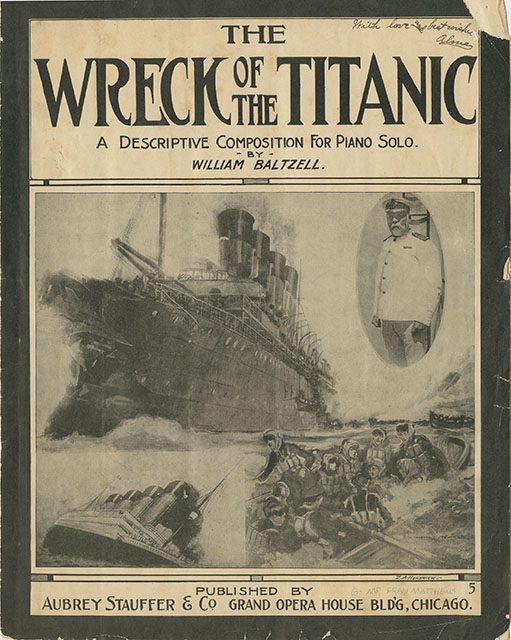
In ink in TR corner of cover: "With Love & Best Wishes, Alma"; in pencil in BR corner of cover: "G- Mr. Fran Mathews"
Shipwrecks–North Atlantic Ocean; Popular music–1911-1920
For piano solo. Cover includes an illustration of the Titanic sinking by the illustrator Z. A. Hendrick. Rear cover includes the following text: "In Memoriam - To the brave musicians who played the last requiem for the passengers of the Titanic."
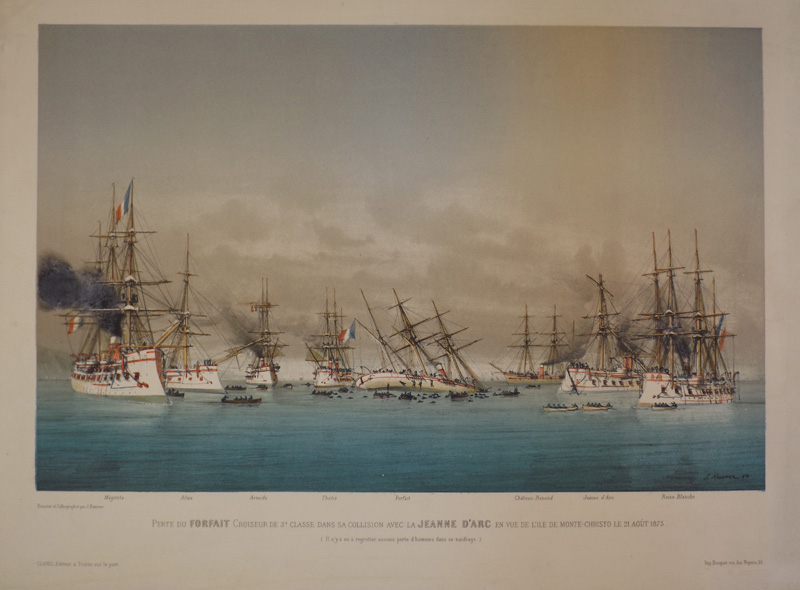
FRANCE, PARIS, RUE DES NOYERS 37; RELATED PLACE: ITALY,MONTE CHRISTO
NOTES: In 1875 the "Jeanne d'Arc," a French ironclad corvette, rammed and sank the despatch vessel "Forfait." NOTES: [From: http://jnmasselot.free.fr/Histoire%207/1875%20Le%20Forfait.pdf] Avec les anciens bâtiments de bois, une collision ne pouvait avoir la même gravité qu’avec la nouvelle marine cuirassée ; mais l’éperon devint tout d’un coup un danger permanent, même dans la navigation ordinaire des escadres. C’est ainsi que le 21 juillet 1875, l’aviso à vapeur le Forfait, faisant partie de l’escadre d’évolution de la Méditerranée, sous le commandement de l’amiral de la Roncière, fut, près des côtes de la Corse, abordée par la frégate cuirassée la Jeanne d’Arc dont l’éperon lui défonça le flanc au-dessous de la ligne de flottaison. L’eau pénétra à flots dans l’intérieur du navire, qui sombra moins d’un quart d’heure après l’abordage. Son commandant, le capitaine de frégate Nivielle, jugeant la perte du Forfait certaine, et uniquement préoccupé du salut de son équipage, ordonna à tous ceux qui savaient nager de se jeter à la mer. Les autres quittèrent le bâtiment munis d’un espar qui pût les soutenir sur l’eau. Le commandant, qui n’avait pas quitté la passerelle, abandonne le dernier son bâtiment en se jetant à la mer pour gagner la baleinière de la Jeanne d’Arc. A peine cette embarcation s’était-elle éloignée que le Forfait s’enfonçait complètement dans l’eau. La Jeanne d'Arc était une corvette-cuirassée de la Marine Royale Française. C’était un trois mâts avec une machine à vapeur, et avait une coque en acier, sa longueur était de 69 mètres. Le Forfait était un navire du même genre et de même dimension.
RUE ST. JACQUES - PARIS - FRANCE - Publisher; FORT-DE-FRANCE - MARTINIQUE - FRANCE - Related Place
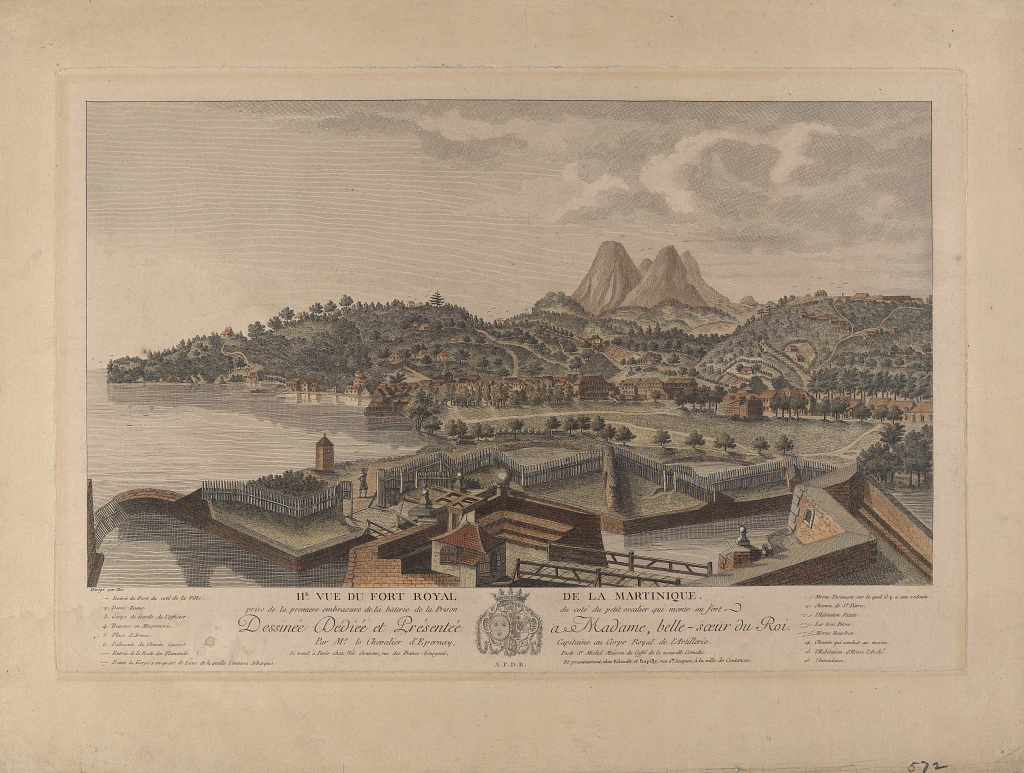
SHORT DESCRIPTION: Black and white engraving, vue optique, titled "IIre. [deuxieme] Vue du Fort Royal de la Martinique, prise de la premiere embrasure de la baterie de la Prison du cote du petit escalier qui monte au fort" [View of Fort Royal in Martinique, taken from the first doorway of the Prison battery on the side of the small staircase that goes up to the fort.]. The image was drawn by the Chevalier D'Epernay, a captain in the Royal Corps of Artillery, and engraved then published by Francois Denis Nee in late 1784 or early 1785. The image shows a view looking over the entrance of Fort Saint Louis looking towards the town of Fort Royal (now Fort-de-France). At the bottom center a wooden walkway stretches between a square stone walled area that seems to be the protected entrance to Fort Saint Louis, a wooden walkway that apparently can be raised like a drawbridge stretches from it over a moat is to the left. At the end of the wooden drawbridge on the exterior of the fort an armed guard stands in the gateway of a wooden palisade. A small building on the fort side of the drawbridge has a small building identified as the officer's guardhouse. To the left of the fort is Baie des Flamands (Flemish or Flamingo Bay?). In the middle background beyond the fort entrance is the town with houses, military facilities and plantations. Beyond the town, halfway up the hill is a house identified as the home of one Henri d'Arché. In the background at the left is Morne Tartenson and at the center are tall peaks identified as Les trois Pitons [Les Pitons du Carbet (Lacroix, Piquet, Dumauze, Alma and Boucher)] to the right is Morne Bourbon, the location of Fort Bourbon. There are sixteen numbered references in two columns at the bottom: Entree du Fort du cote de la Ville [entrance to the fort from the city side]; Demi Lune; Corps de Garde de l'officier [officer's guardhouse]; Traverse en Maconnerie [masonry rail]; Place d'Armes [parade]; Palissade du Chemin couvert [covered way palisade]; Entree de la Rade des Flamands [entrance to the Flemish/flamingo roadstead]; Point la Vierge a un quart de Lieue de la quelle l'ennemi de'barque [Point la Vierge is a quarter of a mile from which the enemy embarks]; Morne Tartancon sur le quel il y a une redoute [Morne Tartancon on which there is a redoubt]; Chemin de St. Pierre [Road to St. Pierre]; L'Habitation Patate [the potato house?]; Les trois Pitons [the three peaks]; Morne Bourbon; Chemin qui conduit au morne [path that leads to the hill (of Fort Bourbon)]; l'Habitation d'Henri l'Arche [house of Henri D'Arche]; L'Intendance [commissariat]. NOTES: [J. Willoz-Egnor, 1/18/2023] The view is based on a drawing by the Chevalier D'Epernay (Laurent Arnoux d'Epernay), a knight and captain in the Royal Corps of Artillery, of Fort Royal (now Fort-de-France) in Martinique. The images were engraved and published by Francois Denis Nee in 1784-1785. Three views were published. The collection holds vue d'optiques of the three views: premier view 1946.0118.000001/LE 2516, second view 1946.0118.000002/LE 2517, third view 1946.0118.000003/LE 2518. The Museum's collection also holds one of the original engravings: second view 1935.1187.000001/LE 0159. According to Lucien Guillemaut in 'Armoiries et familles nobles de la Bresse louhannaise' (pages 87, 258) Laurent Arnoux d'Epernay (1744-1825), Knight of the Royal and Military Order of Saint-Louis, was born March 4, 1744. In the 1770s he served as a captain in the royal artillery corps. At the time of the French Revolution he was mayor of Louhans (1792-1793). He was also mayor of Bruailles under the Empire and the Restoration. On January 2, 1770, while in the garrison at Martinique he married Marie-Louise Giraud de Charbonnières, daughter of Charles Giraud, squire and lord of Charbonnières and d'Ozon, and Marie-Louise Mahault, first cousin of the future Empress Josephine.
RIVERS, BRIDGES, BOATS AND TREES The series that I describe resides as a subset within the broader genre of landscape photography. My interest in landscape also includes remnants of our social landscape, including industrial architecture, domestic housing, modes of transportation and various other interests. I have investigated these aspects of our environment for nearly forty years. The natural landscape encompasses a romantic notion that involves our sense of place, i.e. the depiction of a locale that is both specific and general. I can name most of these places in general terms, as many lie outside the boundaries of cities or towns. They are often located by examining what exists between 'here' and 'there'. Most of our travels are determined by the desire to go from location to location, leaving the distance in-between unexamined and overlooked. This topography comprises, for me, one of the most interesting aspects of travel as I wander rather aimlessly into the land, hoping to distill content that is both interesting aesthetically and poignant psychologically. The psychological aspects of these remote areas encompass a sense of tranquility and of quietude. Historically, the land has served as a reservoir for our spiritual renewal, and has been prescribed as a balm for the stresses and travails of daily life. The spiritual aspects of this communion were felt so strongly by Teddy Roosevelt that he undertook to establish several national parks so that we could immerse ourselves as we seek renewal and inspiration. This describes a vast swath of our communal experience. It is not a new insight to assert that photography is created in the present but resides in the past. We enjoy the vast empty vistas of early explorative forays, more than a century ago, in the expanding westward migration we refer to as Manifest Destiny. Much has changed although much remains little changed during this passage of time. These contrasts between change and stasis are intriguing, and they inform our sense of the present and of our past. I have no understanding regarding how my photographs will appear after the passage of another century, however I imagine that our landscape will be much altered from our current experience. I photograph many of these locations simply because I enjoy occupying this space. Unfortunately, much of this land continues to fall into private ownership and is consequently posted with signs signaling no trespass. I cannot return to several familiar locations due to these newly established restrictions. I often wonder if future generations will be able to locate an accessible public space where they can fish, swim or recreate. Every year, more of our environment becomes restricted from our presence and from our personal experience. I produced these images with a cumbersome view camera. The prints were printed upon a paper that is no longer available. It is referred to as printing-out paper because the image was printed by exposing the negative and paper directly to sunlight for a length of several minutes. There was no developer used to create the image as it appears during exposure from the reduction of silver halide to a metallic state. The image coloration was produced by immersing the print into an aqueous solution of gold chloride, creating the range of warm hues that we often associate with 19th century photography. We make this association due to the fact that this paper began its long history with the origination of the photographic process, beginning in the mid-1800's.
AUGSBURG - GERMANY - Publisher; FORT-DE-FRANCE - MARTINIQUE - FRANCE - Related Place
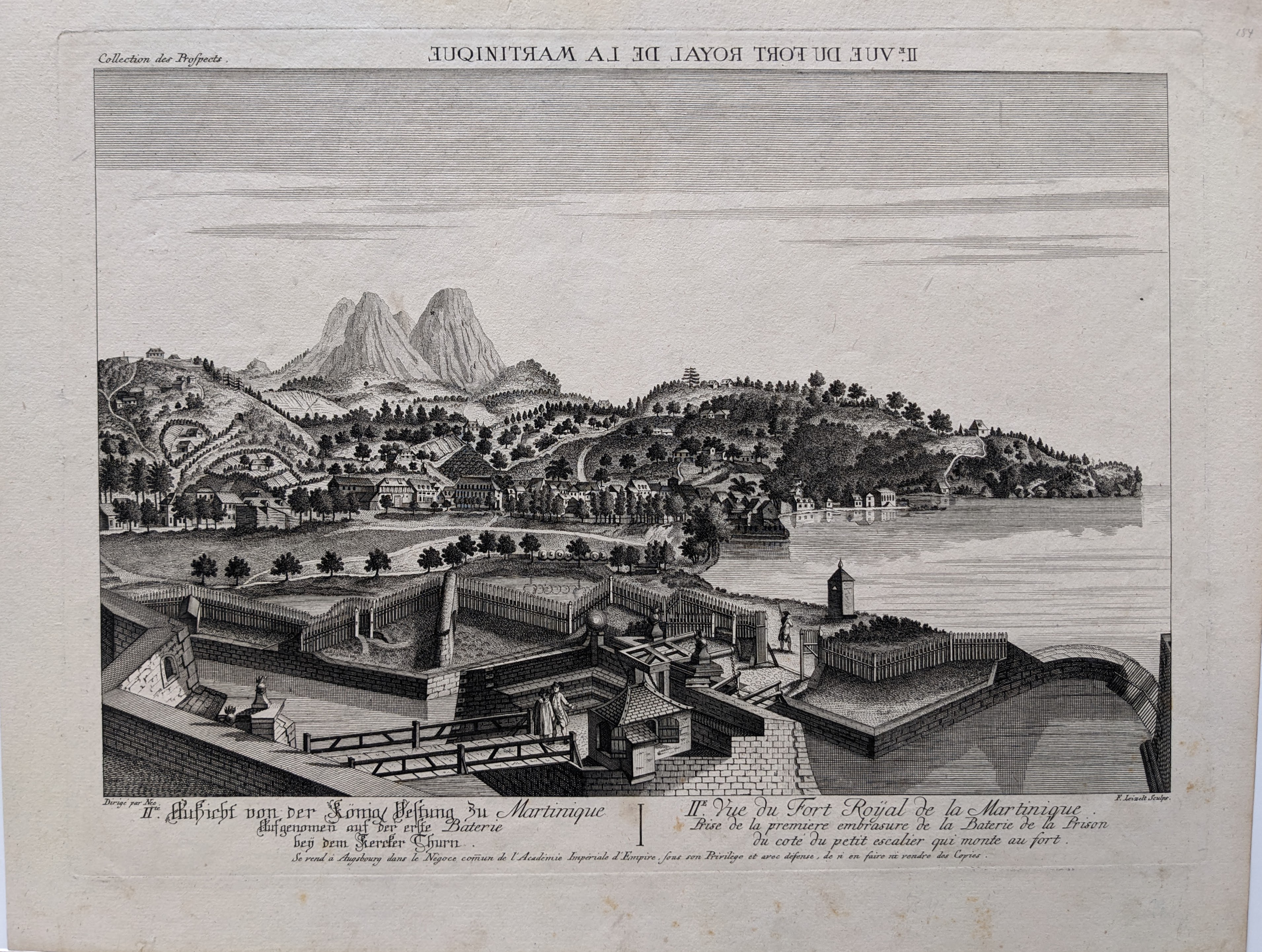
SHORT DESCRIPTION: Black and white engraving, vue optique, titled "IIre. [duxieme] Vue du Fort Royal de la Martinique." The image is based on an engraving titled "IIer [duxieme] Vue du Fort Royal de la Martinique, prise de la premiere embrasure de la baterie de la Prison du cote du petit escalier qui monte au fort" [View of Fort Royal in Martinique, taken from the first doorway of the Prison battery on the side of the small staircase that goes up to the fort.]. That image was drawn by the Chevalier D'Epernay, a captain in the Royal Corps of Artillery, and engraved by Francois Denis Nee and published in late 1784 or early 1785. Our view is shown as a reverse of the original engraving. The image shows a view looking over the entrance of Fort Saint Louis looking towards the town of Fort Royal (now Fort-de-France). At the bottom center two people stand on a wooden walkway stretching between a square stone walled area that seems to be the protected entrance to Fort Saint Louis, a wooden walkway that apparently can be raised like a drawbridge stretches from it over a moat is to the right. At the end of the wooden drawbridge on the exterior of the fort an armed guard stands in the gateway of a wooden palisade. A small building on the fort side of the drawbridge has a small building identified as the officer's guardhouse. To the right of the fort is the Baie des Flamands (Flemish or Flamingo bay). In the middle background beyond the fort entrance is the town with houses, military facilities and plantations. Beyond the town, halfway up the hill is a house identified as the home of Henri d'Arché in the original engraving. In the background at the right is Morne Tartenson at the center are tall peaks identified as Les trois Pitons [Les Pitons du Carbet (Lacroix, Piquet, Dumauze, Alma and Boucher)] and at the left is Morne Bourbon, the location of Fort Bourbon. To the right of Les Pitons, the house sitting in a little valley is identified on the original engraving (LE 159) as "l'habitation patate." NOTES: [J. Willoz-Egnor, 1/5/2023] According to Niklas Leverenz in the article ‘Vues d’optique with Chinese Subjects’ the largest publishing house of vues d’optique in Augsburg was the Kaiserliche Franziskische Akademie or Academie Imperiale (in later years called the Akademische Kunsthandlung). This publishing house was founded in 1755 by the Augsburg artist and engraver Johann Daniel Herz von Herzberg (1720-1793) as an academy of arts. The academy project failed, but it remained a successful publishing house which produced about 600 perspective view prints between about 1770 and 1800. The Academie prints are inscribed on the top left corner of the image ‘Collection des Prospects,’ and above the image is the title, engraved in reverse so that it would be read correctly when viewed with a mirror. Underneath the image is a caption usually written in two languages, sometimes consisting of several sentences, with the German text on the left and French on the right. On some prints, however, the caption consists of a single French sentence only. Often the name of the engraver appears at the lower right corner of the image and the name of the painter of the original model drawing is written at the lower left. Along the very bottom of the prints is a line in small letters, in French, identifying the publisher and their rights to reproduce: ‘For sale in Augsburg on the open market at the Imperial Academy of Arts with the authorization of His Majesty and with the prohibition of either making or selling copies.’ NOTES: [J. Willoz-Egnor, 1/18/2023] The view is based on a drawing by the Chevalier D'Epernay (Laurent Arnoux d'Epernay), a knight and captain in the Royal Corps of Artillery, of Fort Royal (now Fort-de-France) in Martinique. The images were engraved and published by Francois Denis Nee in 1784-1785. Three views were published. The collection holds vue d'optiques of the three views: premier view 1946.0118.000001/LE 2516, second view 1946.0118.000002/LE 2517, third view 1946.0118.000003/LE 2518. The Museum's collection also holds one of the original engravings: second view 1935.1187.000001/LE 0159. According to Lucien Guillemaut in 'Armoiries et familles nobles de la Bresse louhannaise' (pages 87, 258) Laurent Arnoux d'Epernay (1744-1825), Knight of the Royal and Military Order of Saint-Louis, was born March 4, 1744. In the 1770s he served as a captain in the royal artillery corps. At the time of the French Revolution he was mayor of Louhans (1792-1793). He was also mayor of Bruailles under the Empire and the Restoration. On January 2, 1770, while in the garrison at Martinique he married Marie-Louise Giraud de Charbonnières, daughter of Charles Giraud, squire and lord of Charbonnières and d'Ozon, and Marie-Louise Mahault, first cousin of the future Empress Josephine. The three views were first advertised in the ‘Journal Encyclopédique ou Universel’ in January 1785 (Volume 1, part 3, page 347), at a price of 1 liv. 4f. each. NOTES: All from "Collection des Prospects". Related to LE 3, LE 236, LE 239, LE 247, LE 730, LE 1756, LE 1757, LE 1759, LE 1760, LE 1761, LE 2516, LE 2517, LE 2518, LE 2519, LE 2256. NOTES: (Martha R. Wyatt, March 2001) Vue Optiques- A special type of popular print published in Europe during the 18th century. These prints were a form of entertainment meant to be seen through devices called "optical machines," "optiques," "zograscopes," or "peepshows." The prints were exhibited by traveling showmen in the streets throughout Europe and were also collected by those in the professional and upper classes who had the optical machines at home. There was a great curiosity about the appearance of unvisited European cities and exotic locations in the further reaches of the globe, and these prints were one of the only ways the general public could get a look at the wider world. When displayed in the optique, the prints were able to transport the viewer into a far away place-an unknown city, or perhaps into the midst of a dramatic bit of contemporary history or to the distant past. While some of these prints are based on first hand drawings, others are strictly imaginary or at least untruthful. The artists who etched them usually copied other prints or paintings and were quite unabashed in their willingness to take a beautiful , unnamed harbor from a painting by Claude Lorrain and call it, for example, Rotterdam.

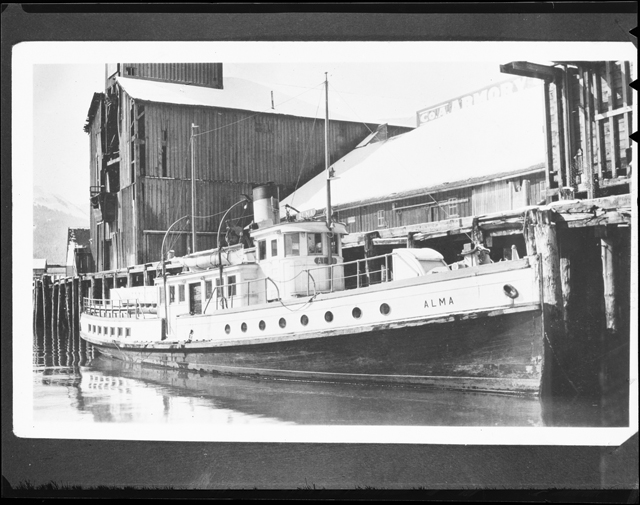 MS0091-03-01-02-089
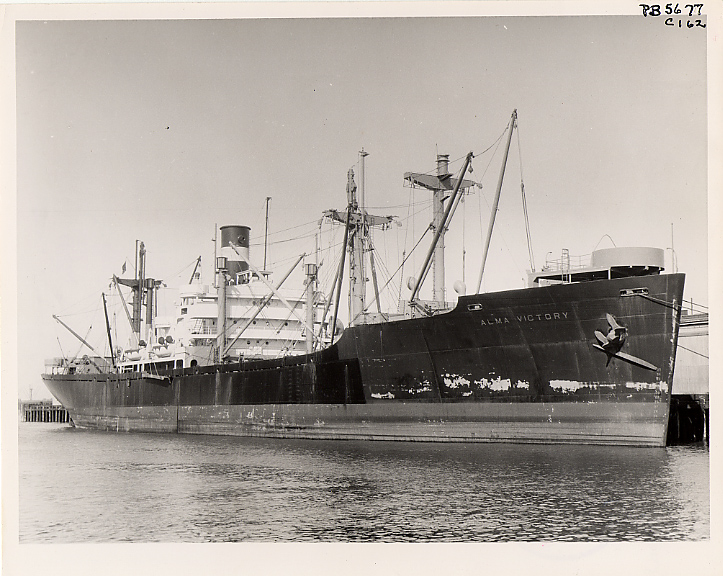 Full-size image
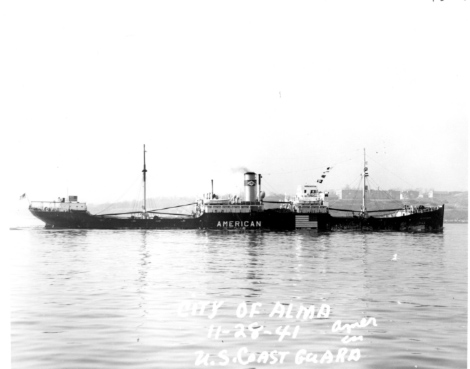 Full-size image
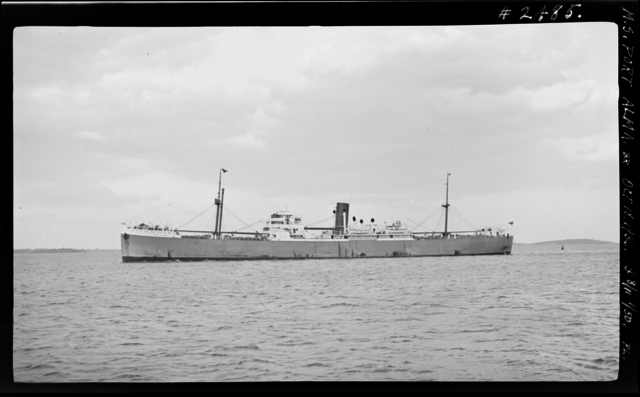 P0006-02-01-1799-01
 Full-size image
 lp2016
 lp6595
 lp1370
 MS0164-001-06-006-17.07
 P0003-01 - E-13520
 P0003-01 - E-7116
 P0003-01 - E-7476
 P0003-01 - E-13521
 le2095
 P0003-01 - E-11017
 lp2694
 lp2695
 lp2696
 lp2698
 P0003-01 - E-7478
 MS93_06-06-01
 lp1422
 1935.1187.000001[1]
 le2517